
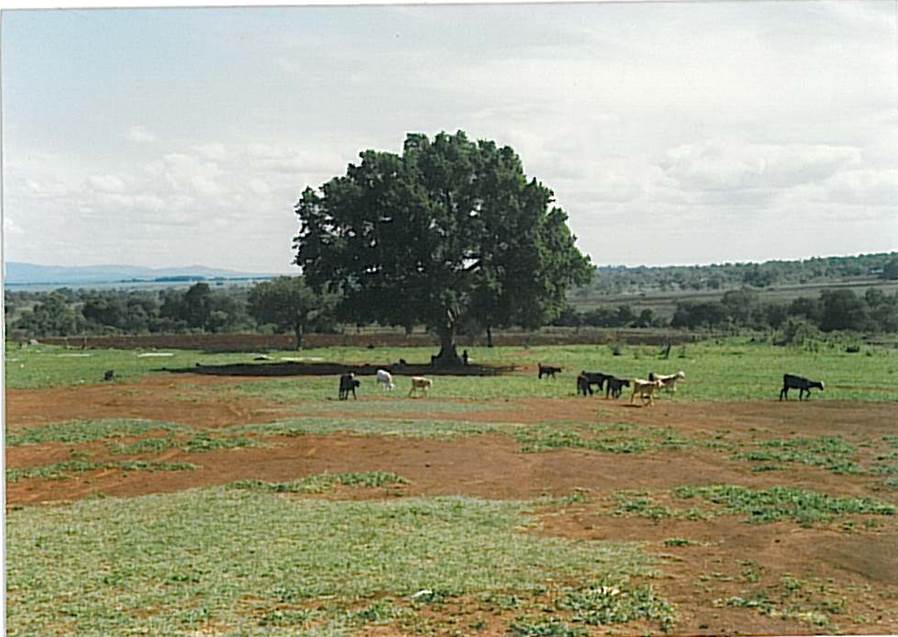
Background – from the 1980s
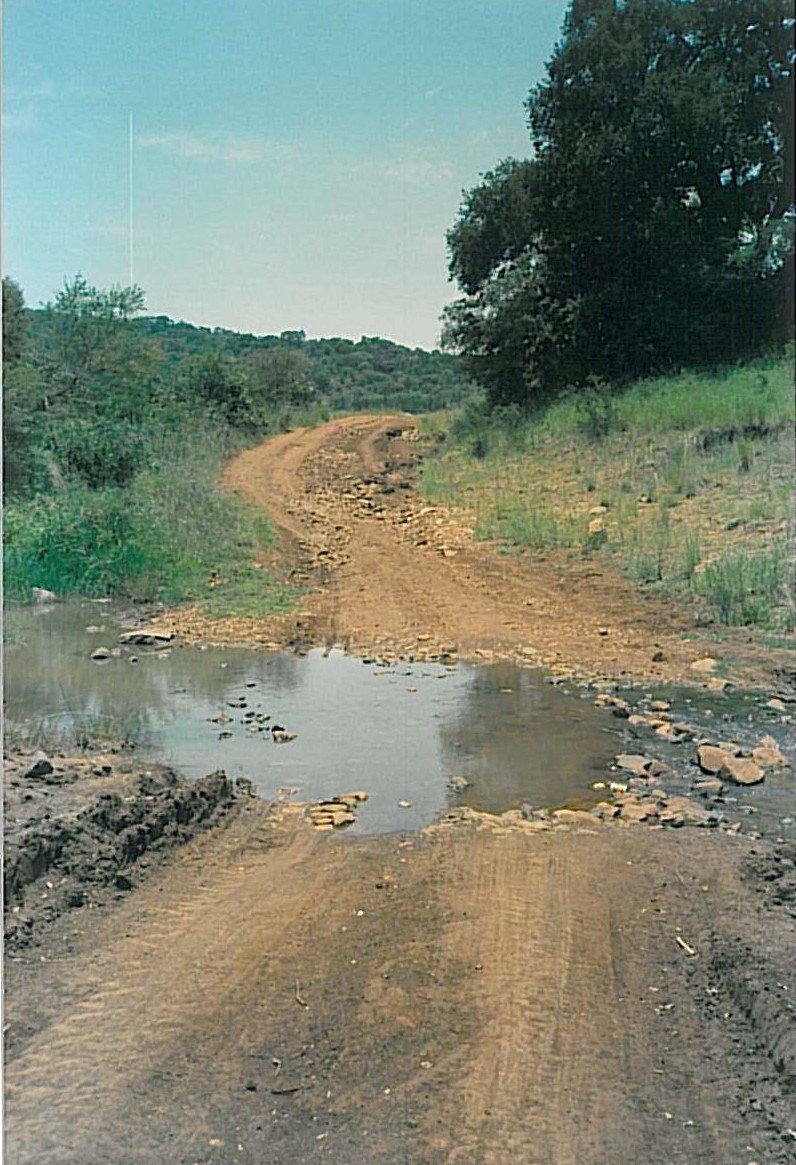
A young social work student, Mary, connected with the community through a Rural Health Motivator in the mid1980s, as she needed to conduct a practical development project as part of her studies. The river crossing into the village was impassable in a normal car after heavy rains, and the village would be temporarily cut off. On such days, she would leave her car at the river, take off her shoes and walk through the water. Because the crossing was out of sight from the primary school, the headmaster would often send the biggest boys to ‘rescue’ her if he saw her coming down the road and not re-appearing from the river crossing.
Fransinah (pictured left) was a dear, but troubled soul, whose brother owned the local village shop. Every few months she would go to the mental hospital for an injection and come back very quiet. She followed the student wherever she went in Mafucula, and one day she called Mary to say she had found a place for her to live. She had made her this little “house” with the bricks that were being made from clay to build a community centre!
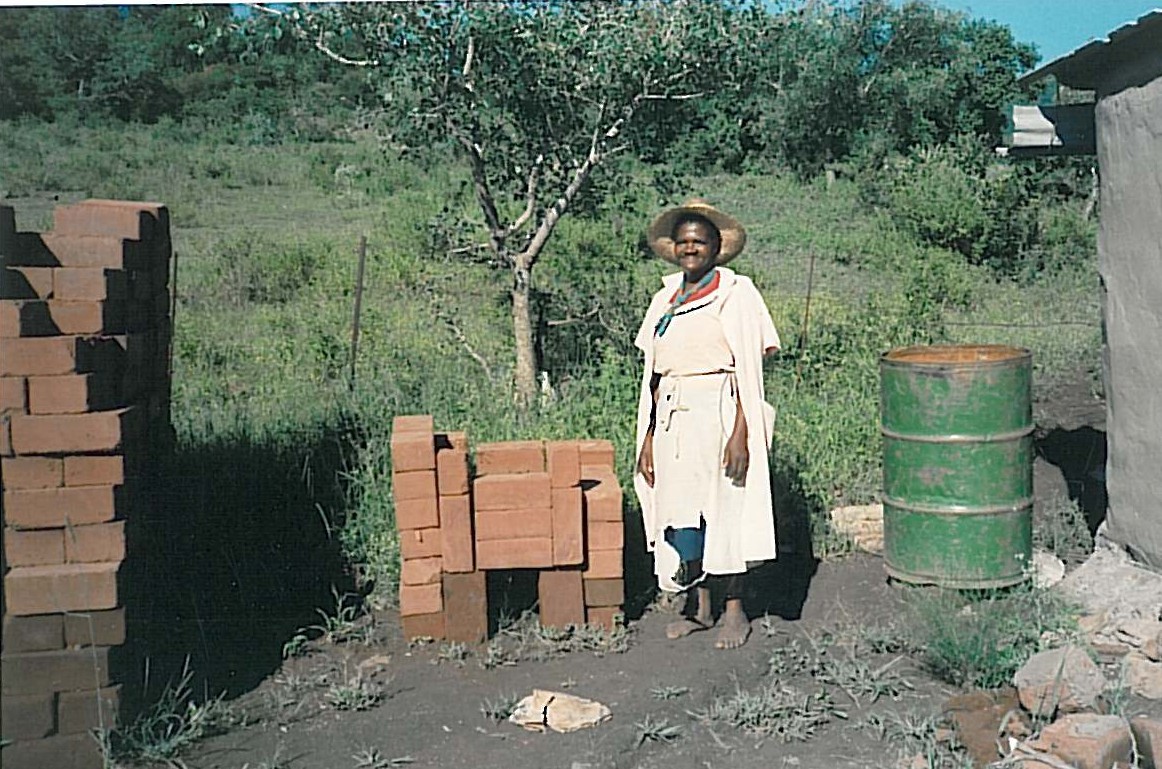
Fransinah (pictured left) was a dear, but troubled soul, whose brother owned the local village shop. Every few months she would go to the mental hospital for an injection and come back very quiet.
She followed the student wherever she went in Mafucula, and one day she called Mary to say she had found a place for her to live. She had made her this little “house” with the bricks that were being made from clay to build a community centre!
Often the most important meetings are the tedious ones where many people turn up to discuss a new activity or a difficult challenge. It is during these meetings – held more than once to be effective – that one sees who the real leaders in a community are and where the real interest and commitment are for community affairs. During these meetings you learn from the people.
This happened when one of the preschool teachers, Jane, asked for a second preschool to be established at the far end of Mafucula, as the children were walking a long way each day. Mary did not think that this idea would work and was worried about not being able to find sufficient funding for a second preschool, but Jane insisted that it was what the parents wanted. A meeting was called and Mary was amazed to find that the parents had already secured a piece of land from the induna and cleared it, ready for building!
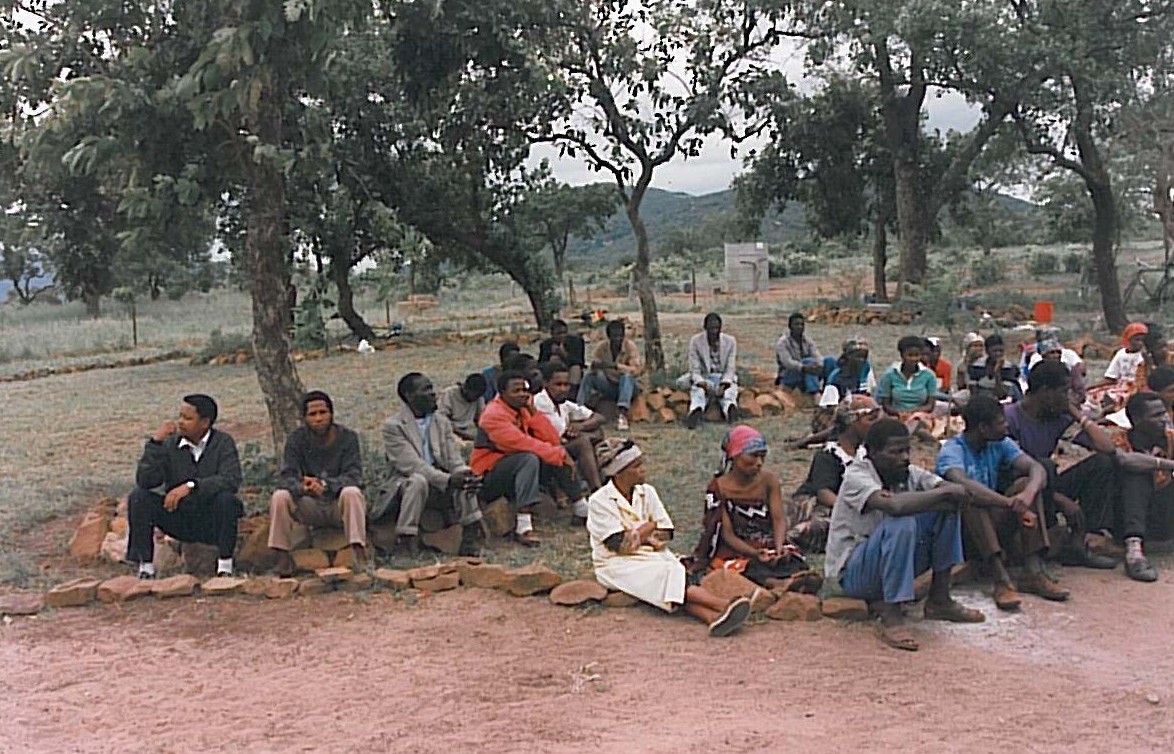
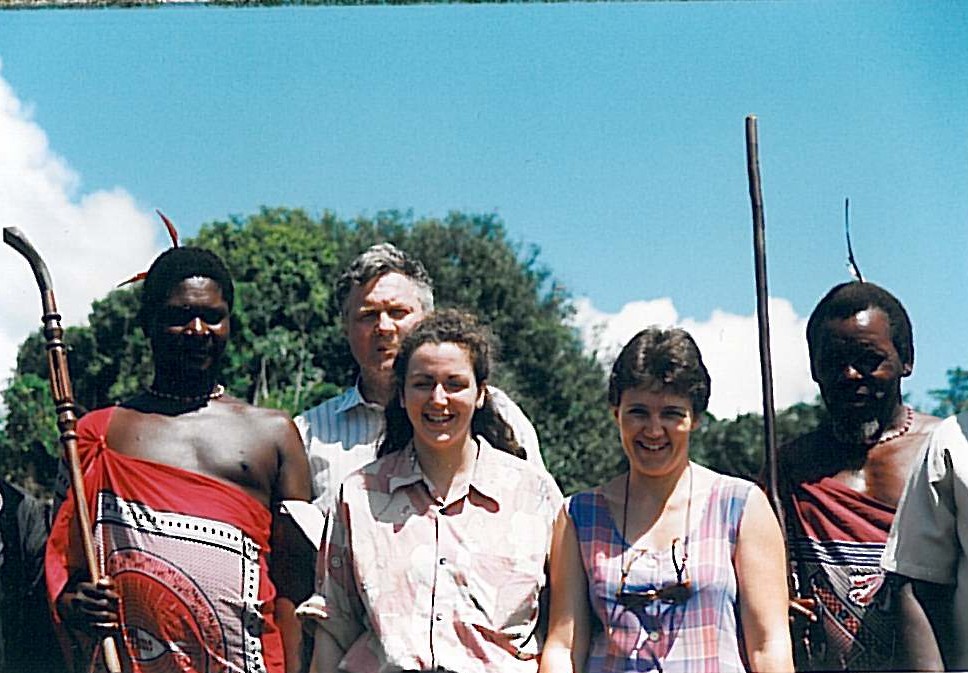
Another important relationship to nurture is with the local leadership. For this you have to accept the structures that exist and be respectful of them. The chief of Mafucula did not usually pay much attention to the activities that were carried out, but every so often Mary would get a message that he wanted to know what was happening – she would ask for an audience with him, and update him. Dealing with funders can also have its challenges, but finding a way to work together is necessary.
As a requirement for her social work degree, Mary had to work in a community setting and run a development project. Her entry point was to meet with the village health motivators and hear from them what she might be able to assist with. These health motivators had been trained by the department of health, to visit homesteads and teach families the basics of primary health care messages – about boiling their water, breast- feeding, spacing their families and growing vegetables.
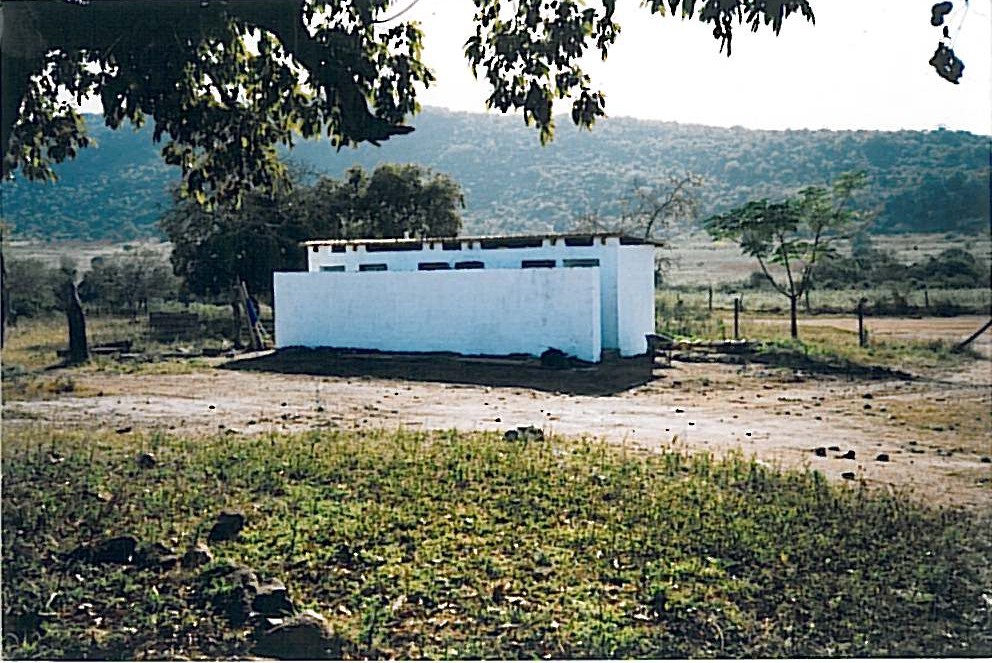
One of their frustrations was that they had to convince families to build pit latrines – but they themselves did not understand the technology behind the “VIP (ventilated improved pit)” design. The men in particular were not interested in digging holes for something which they did not understand and which the health motivators could not convincingly explain! One of the first things Mary did was have a workshop with the health motivators to explain the logic behind the VIP latrines – this built up their confidence and enabled them to make proper use of the knowledge which they already had. They also built a VIP latrine at the community centre and this validated their role in the community as health motivators.
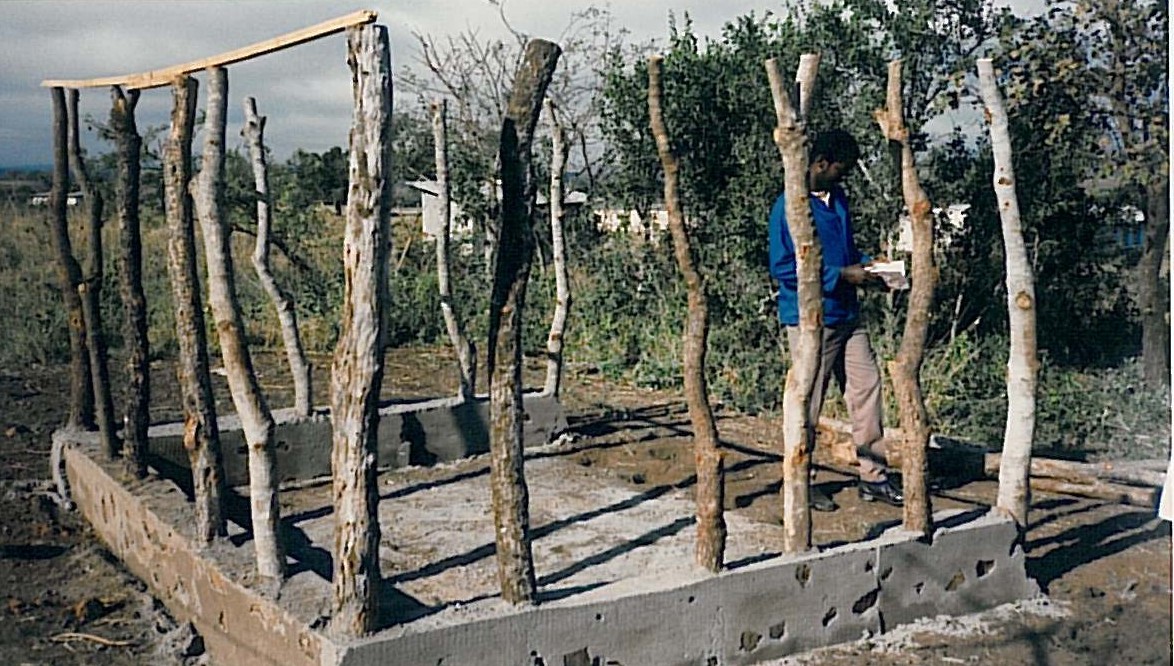
Two young unemployed men, Justice and Elliott, expressed an interest in making bricks and wire fencing to sell to local families. With advice and a brick-making press from an appropriate technology company in Swaziland, Justice and Elliott were eager to start, but they needed a place to store the equipment and cement. Elliott said all he needed was one bag of cement – he would do the rest. He collected stones and branches and made this simple shed frame. He wanted to test the clay bricks so he made the walls out of a combination of bricks, and empty beer cans filled with sand. This really was a case of building with what they had!
(This building still stands in Mafucula and now runs as a little business that cuts hair, charges mobile phone batteries and mends shoes) This storeroom is an example of achieving a “low hanging fruit” in a short space of time. Elliott and Justice were excited to get their brickmaking and wire fence activities going, and putting a storeroom up was relatively easy to do with what they had available in the community.
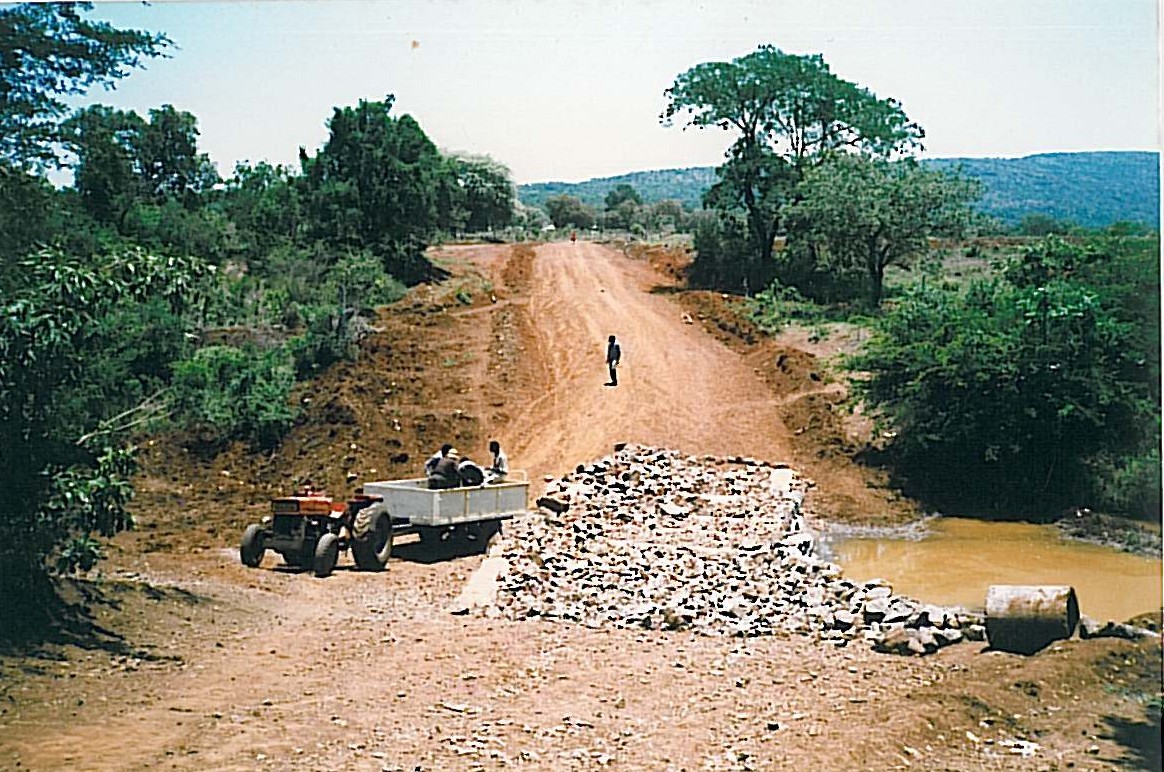
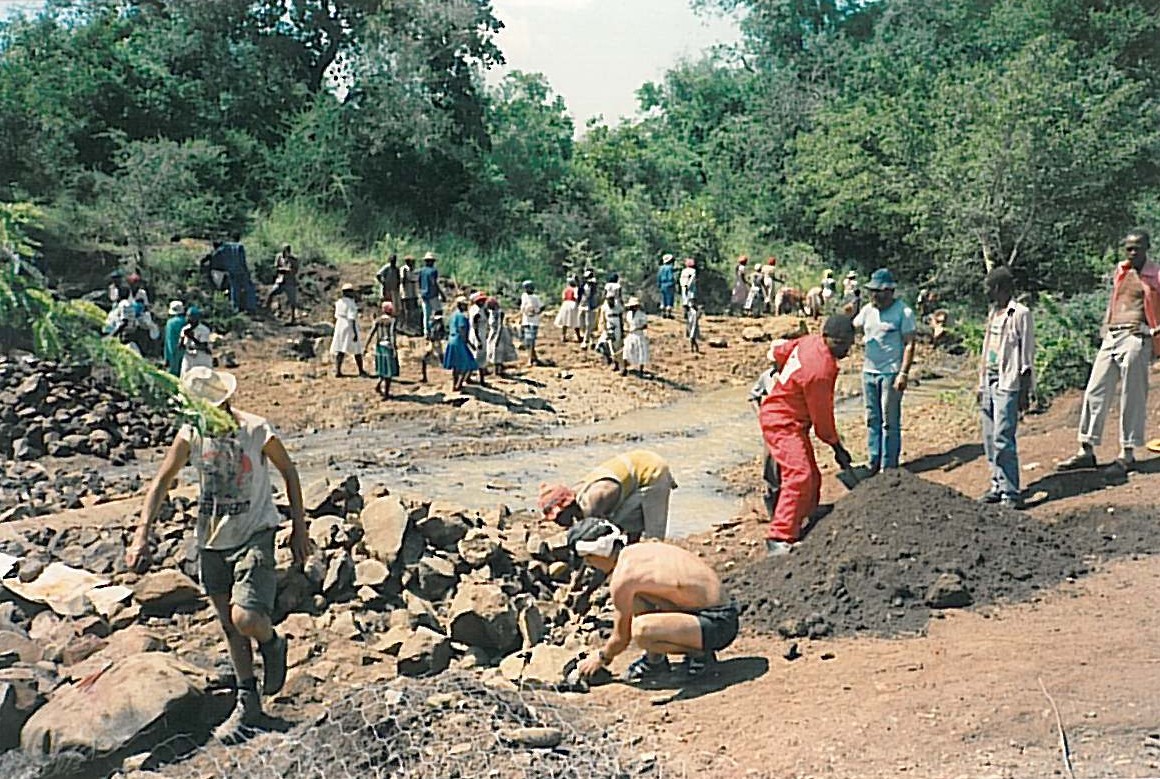
Another activity that involved more time and input was the fixing of the river crossing into Mafucula. This was something that all the residents had long wanted to do, but had not had the equipment or the pipes. One of the residents who worked at the local sugar mill had arranged to get some old concrete water pipes donated for the river crossing. He also persuaded the sugar mill to grade the road prior to building a crossing. With little else, the community got started, laying the concrete pipes in the river bed and packing stones on top, collected by the residents and transported by one of the Mafucula farmers.
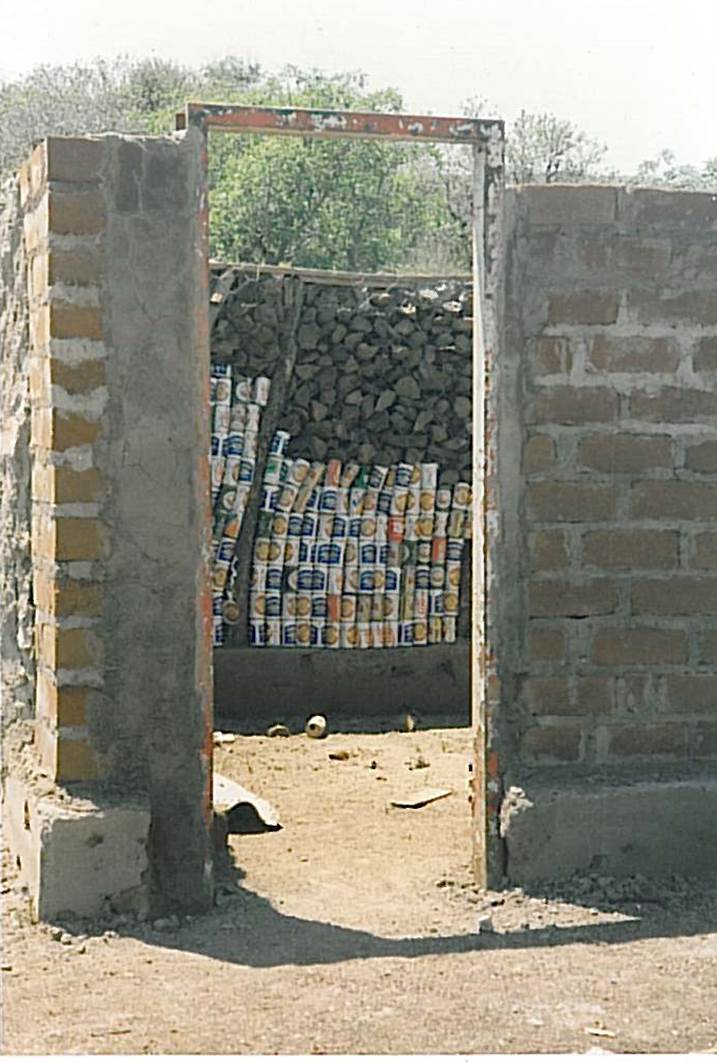
(This building still stands in Mafucula and now runs as a little business that cuts hair, charges mobile phone batteries and mends shoes) This storeroom is an example of achieving a “low hanging fruit” in a short space of time. Elliott and Justice were excited to get their brickmaking and wire fence activities going, and putting a storeroom up was relatively easy to do with what they had available in the community.
The day before all the stones were ready to be tied down and secured in place using the wire fencing made by Justice and Elliott, the area experienced over 100mm of rainfall overnight – all the stones were washed downstream and the community residents were devastated! The chief made an urgent call for everyone to assist in completing the crossing – residents spent all the next day walking along the riverbank to retrieve all the stones. The river crossing was completed by nightfall, much to everyone’s relief.
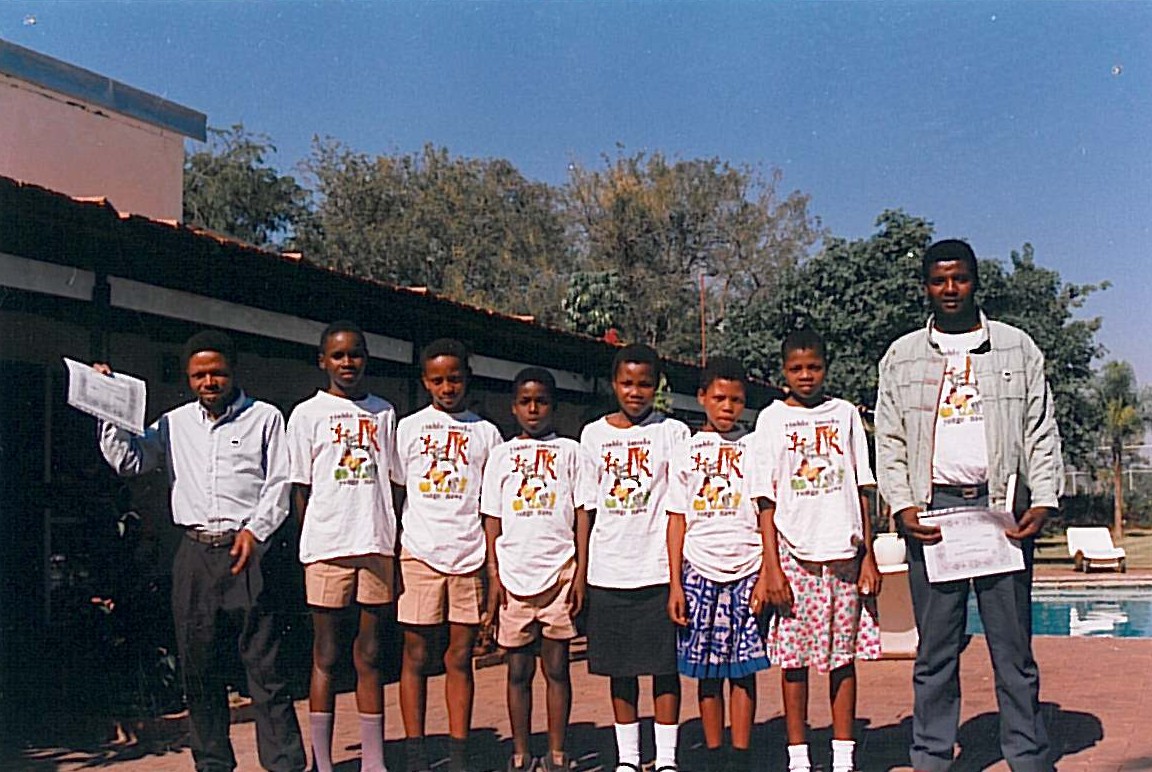
Another activity Justice (left) and Elliott (right) started was a conservation club. They received training from conservation the national organisation and started a small club with the Mafucula school children, building simple rainwater-collection tanks and growing food gardens. They entered the national conservation club competition – and won! In this picture they are receiving their certificate at the national prize-giving event in Mbabane (capital city of Swaziland).
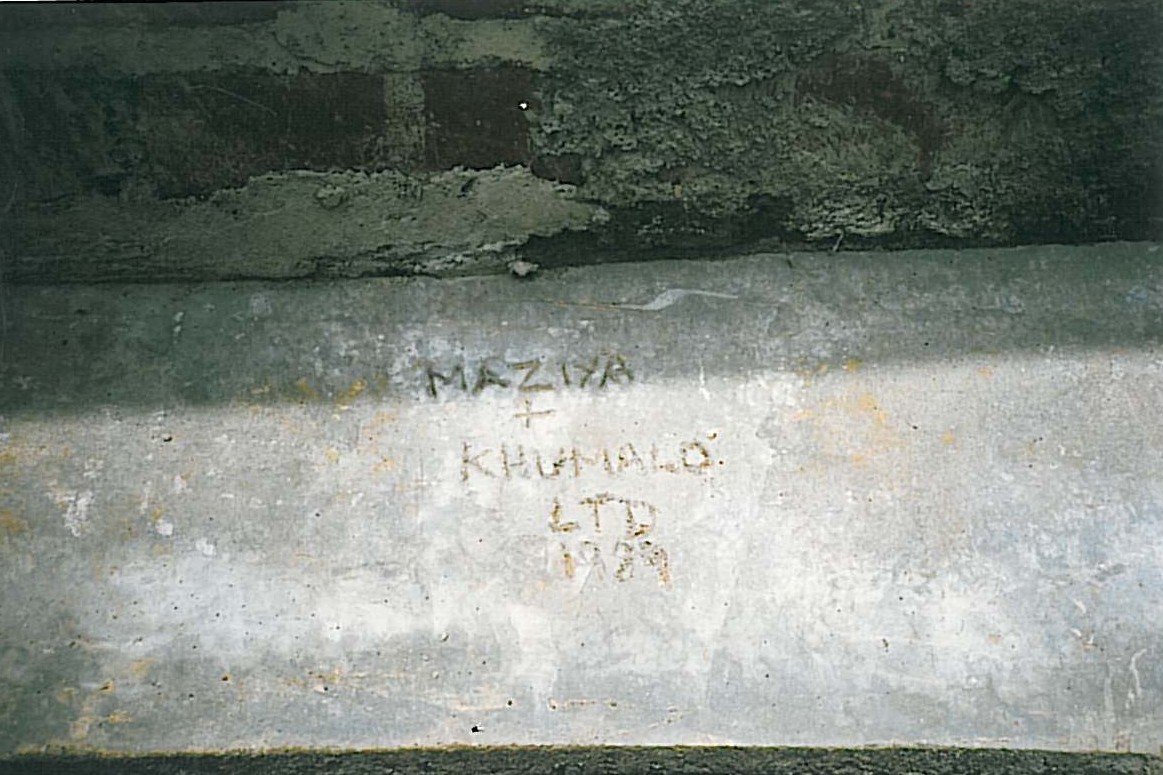
These two young men also later went for training in water-tank construction and spring protection, and came back to offer this service in Mafucula, calling themselves “Maziya & Khumalo Ltd”.
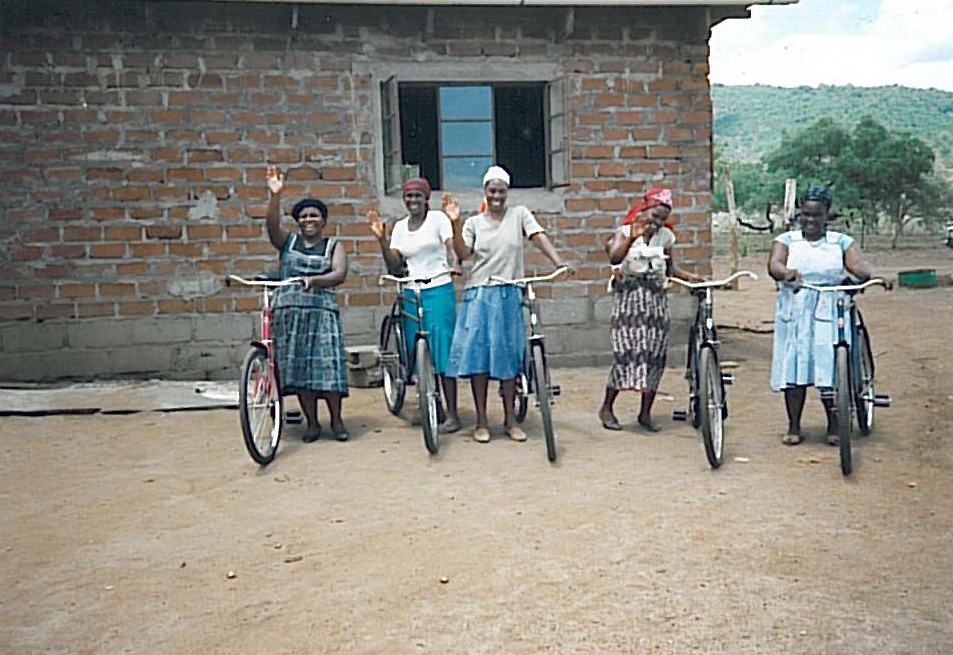
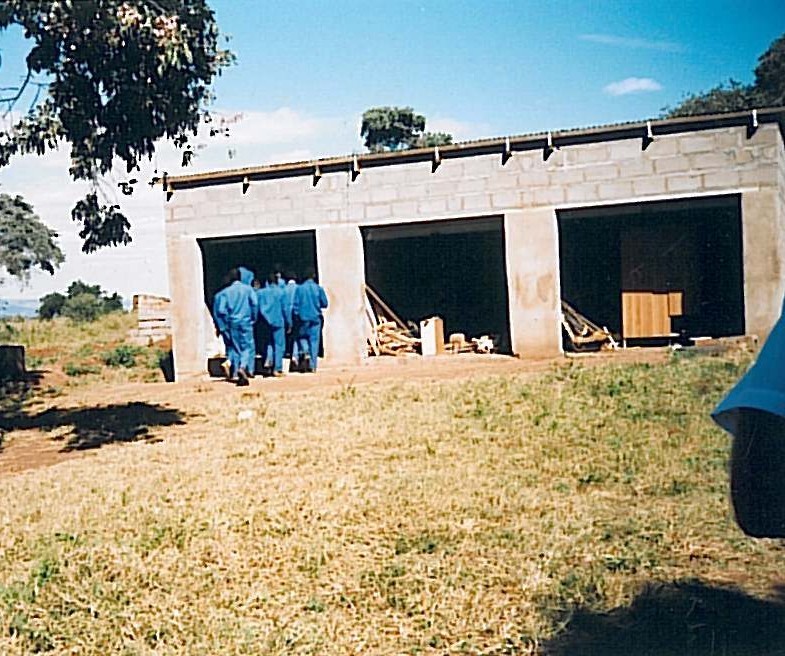
Because of the remoteness of Mafucula from the nearest small town with shops, the residents wanted to make a small business incubation centre, where local residents would be able to run small enterprises to serve the community. With a grant from an external funder, several young men in Mafucula were trained in construction and they built six small units, as well as a toilet block, and with a loan from King Mswati III’s Enterprise Fund, many small businesses were started in the community through a revolving loan scheme.
After about 7 years, the area suffered a devastating drought – many cattle died and the chief approached Mary to say that the children in his area were going to die. By now the activities in Mafucula were known in the sugar plantation. Mary approached the General Manager’s wife and together they launched an appeal for funding and volunteers to help run an emergency feeding scheme for the children under five. The response was very encouraging, and together with a team of mothers in the village, a 3-day-a-week feeding scheme was launched, providing a hot meal for the under-5’s as well as multi-vitamin syrup, fortified milk powder and peanut butter for those who were found to be malnourished (all children were weighed and measured each month).
As the feeding scheme became widely known, local businesses came to the party, and donated cooking oil, sugar, beans and other items for food parcels. The feeding scheme lasted for 14 months during the worst of the drought – over 20,000 meals were cooked and served at the community centre, and not a single child died. Food parcels for families were distributed at Christmas time, and later, as and when sufficient donations came in. Almost all the other project activities ceased during this time, as all efforts were concentrated on keeping families alive and saving the little children in particular.
By now an NGO (“Vulamehlo2”) had been established to coordinate all the village project activities, and Mary had secured funding from an overseas donor. Justice, Elliot, Margaret and Jane were employed in their roles as community project staff, and Mary was also able to employ three qualified development officers to assist with expanding the development activities in the area. These officers mainly mentored and supported the loan scheme recipients to ensure that they were able to repay their loans. The loan scheme operated at a 98% full repayment rate, which was very encouraging, especially in such a disadvantaged area.
By 1998 when Mary left Swaziland (12 years after first starting to work in Mafucula), an independent development committee had been established comprising village residents, which coordinated the enterprise centre and the original community projects. Two pre-schools had been built, one at each end of the valley, four boreholes had been sunk, all eight rooms in the enterprise centre were rented out to local small business entrepreneurs and many other business loans were issued to local residents running small businesses from their homes, business training had been provided, two grinding mills had been set up, and the river crossing had been secured. Two years after Mary left, the nearest sugar plantation provided pumped water into the valley and trained the local farmers to grow sugarcane to feed the sugar mill.
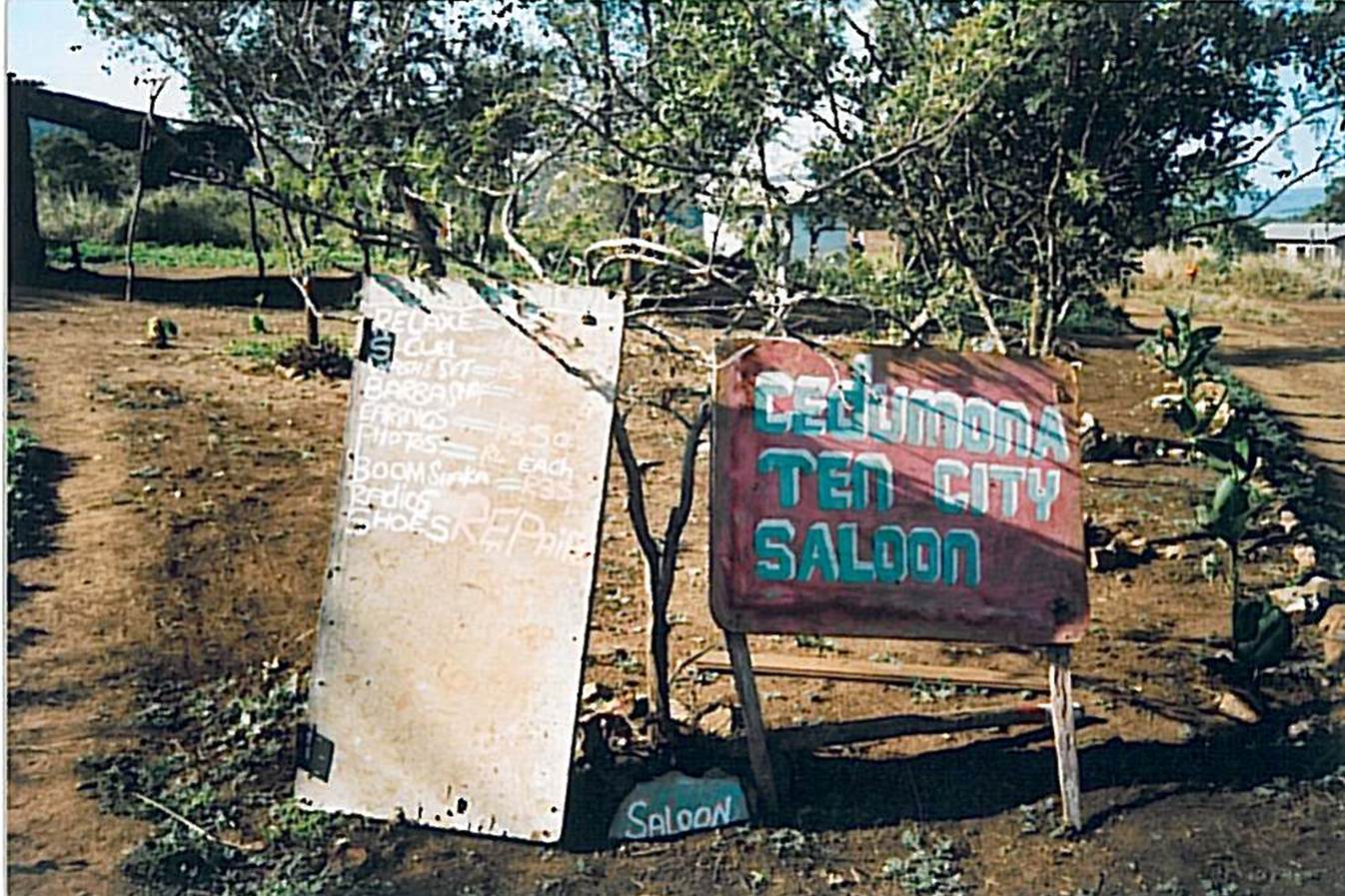
The original brick-and-beer can storeroom (in the background, left) – now operating as “Cedumona Ten City Saloon” and offering battery charging, haircuts and shoe repairs.
Written by Janine Ward, November 2012